What are some conditions CBD can potentially treat?
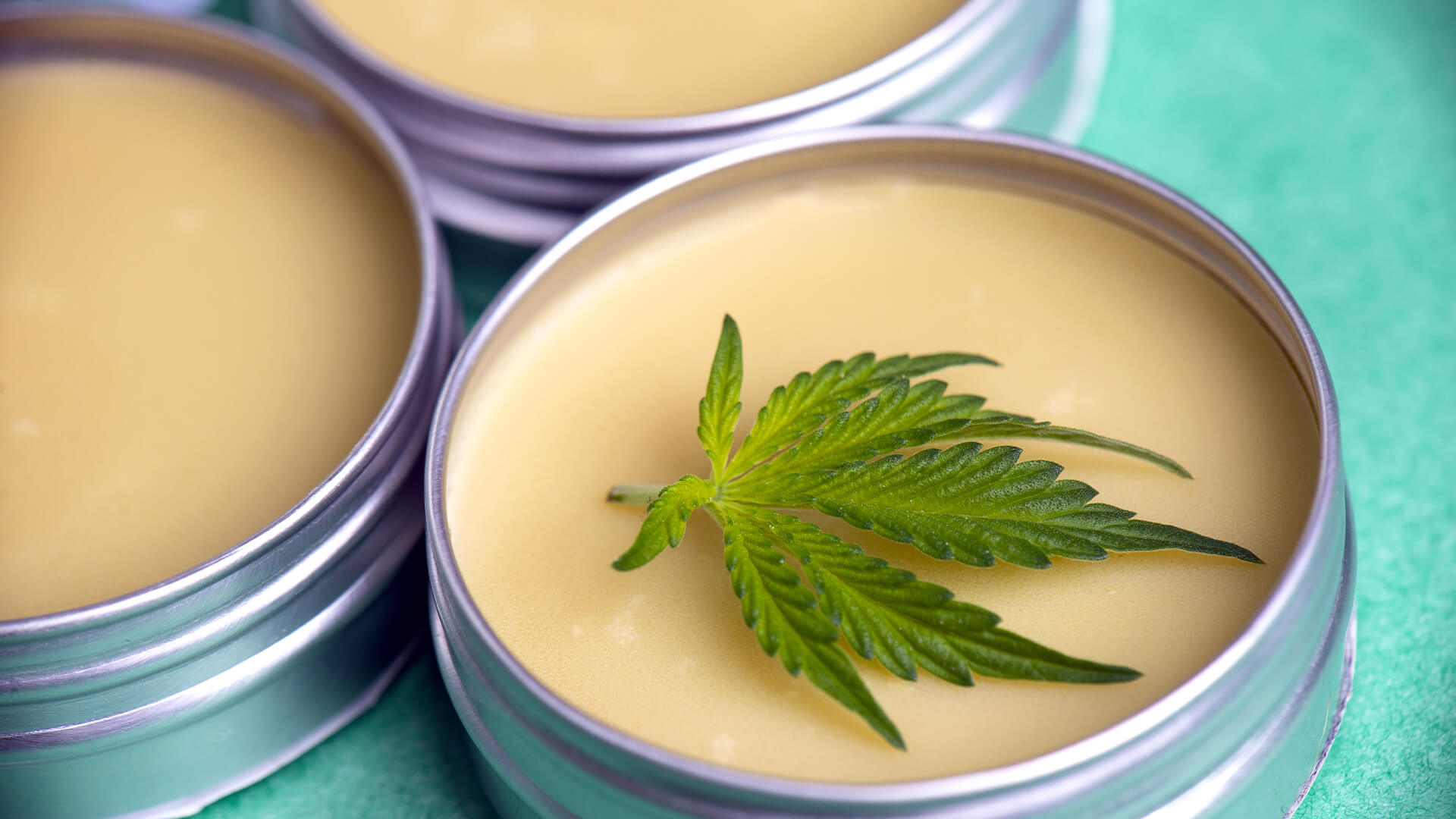
CBD is a compound with diverse medical potential, so it’s no surprise that it’s become a trendy “cure-all” in the wellness space of late. Considering there’s currently no supervision over ingredients in CBD oil and other products, or the medical claims tied to them, it’s OK to be skeptical. We encourage that.
These claims often begin with anecdotal evidence, early research, and animal studies, but human studies are finally starting to fill in the gaps around CBD’s touted benefits. With that caveat in mind, here’s what we understand about CBD’s potential therapeutic applications.
CBD and anxiety
Ask around and we don’t doubt you’ll find a friend, relative, or acquaintance who swears by CBD for anxiety and stress relief. And there’s no reason yet to doubt it; so far, a majority of CBD research suggests it may be beneficial for anxiety symptoms, possibly by influencing activity in the serotonin system.
For quick relief of acute stress and anxiety, consider vaporizing high-CBD strains that also contain an array of botanical compounds—or try a clean, lab-tested CBD oil. Ingesting CBD oil may also help alleviate anxiety on the fly, but the effects are not instantaneous.
CBD and pain
According to research so far, CBD seems to help with two types of pain: neuropathic and inflammatory.
According to research so far, CBD seems to help with two types of pain: neuropathic and inflammatory. For other types of pain, CBD appears to be less effective. The euphoria-causing cannabinoid THC appears to also lend pain-relieving benefits, so if that’s your use-case, you might consider a product with both CBD and THC. You may even consider starting with a low dose of THC (2.5 to 5mg)—one likely to deliver little to no detectable high—to see if it enhances the painkilling power of CBD.
Not only can cannabis help supplement and replace a regimen of opioid painkillers, cannabis appears to enhance the effects of opioids, allowing some patients to cut back their regular dose of pharmaceutical painkillers.
CBD and insomnia
The relationship between CBD and sleep isn’t well understood yet. So far, it appears that dosage plays a role, with higher doses appearing to be more effective than lower doses. For context, one study indicated that a 160mg dose of CBD correlated with longer sleep duration, while 25mg of CBD seemed to have no effect on insomnia symptoms.
Another consideration: What’s keeping you up at night? CBD may help with symptoms that cause sleeplessness. If pain, anxiety, or stress is keeping you from settling into sleep, CBD just might be your ticket to a peaceful mind and body—and restful sleep.
CBD and epileptic seizures
For children with epilepsy, many treatment options drag along a host of side effects that impact one’s quality of life. So when CBD began to show promise as an effective treatment for seizures with little in the way adverse effects, researchers started paying attention.
In 2018, the FDA approved a CBD-based medicine called Epidiolex for treating two forms of epilepsy—Dravet syndrome and Lennox-Gastaut syndrome.
Although anecdotal evidence and early studies show promising results, researchers haven’t yet reached a scientific explanation for why CBD might help reduce seizures.
CBD products are available at the medical marijuana dispensaries of Colorado Springs which include tinctures, oils etc. You should visit the your nearby dispensary to explore these products.
Comments
Post a Comment